Why Venezuela? What is Oil?
Dr. Josh Stout answers a few questions from current events with a little biology and geology.

Please scroll down for links below the transcript. This is lightly edited AI generated transcript and there may be errors.
Eric:
Hey folks, welcome to MindBodyEvolution. This is Dr. Josh Stout. We are back again for another episode after a few days of some very exciting developments in the world. Josh, recently, it seems like we have taken an oil tanker.
Dr. Josh Stout:We seem to be on the eve of war. We have sent a battle group to the
Eric:For those of you who are just who are just tuning in, you know, years from now, it is just before Christmas 2025, and the United States seems to have taken over a Venezuelan oil tanker that that's a recent development and yeah, this is something you wanted to talk about.
Dr. Josh Stout:Well,
Dr. Josh Stout:I mean, obviously, there's all sorts of issues going on. You know, why are we doing this? Why war with Venezuela? I understand. We do not like their current government. Their current government had taken property from our oil companies. And we've never been happy with that. And, you know, it's the kind of thing that the US likes to go to war for. Is, is, is, is we see a lot of oil there. We're pretending it's about fentanyl. Venezuela doesn't make any fentanyl. We're, we're, we're, we're sinking boats that might have a little bit of cocaine on them that are on their way to, uh, uh, Trinidad and pretending that that that's stopping fentanyl, getting into the US. the whole thing's just this giant pretext and capturing the oil tanker kind of points out what we're actually up to. Uh, and then strangely, unlike the last few times we went to war for oil, we're then pretending like, no, we really just wanted the oil and, and we're taking it. Uh, so it's, it's, it's, it's, it's, it's a little strange and that we have all these pretexts for the war. And then no pretext for just stealing the oil. And we don't have a, we don't really have a clear plan. We caught it. Now we don't know what to do with it. Um, but as a biologist, there isn't much I can say about that side of things other than, oh my God, this is happening and we're all part of it.
Eric:I would say that the, that the main thing that, that, that gave us the indication that we might be taking the oil is that the president of the United States said, well, I don't know, maybe, maybe we'll keep it. That's the thing that that was the giveaway.
Dr. Josh Stout:But it also means nothing because nothing that comes out of his mouth means anything.
Eric:Yes.
Dr. Josh Stout:So you have no idea if that's a legal pronouncement or we'll get money from this or what does keep it mean? What does we mean?
Eric:I
Eric:think the main, the main thing that, that, that is happening, and this is not, you know, an original thought is that he seems to be a spectator to his own administration.
Dr. Josh Stout:Stuff is happening around him.
Eric:Yeah. He doesn't know about any of it. So, so how do you, how do you want to take this?
Dr. Josh Stout:I just wanted to talk about what is it we're about to go to war for? What is it that Venezuela has and how did it get there? Essentially,
Dr. Josh Stout:what is oil? Because it's, it's super important. Our world is running on it. We, we need to stop using it if we want to stop global warming.
Eric:Wait, I know, I know, I know what oil is. The dinosaurs died and became oil.
Dr. Josh Stout:Nothing to do with that.
Eric:I was told the dinosaurs died and became oil.
Dr. Josh Stout:Zero, zero dinosaurs involved. Yeah. No, no, no, no dinosaurs. Okay. So oil starts as algae, sometimes trees, but mostly algae. And there's different kinds of algae.
Eric:So you're saying it comes from a living material. It doesn't have to be, it could be plants. It could be anything alive.
Dr. Josh Stout:Anything
Dr. Josh Stout:made of carbon can turn into oil, but the sources actually matter. So, um, uh, marine sources, algae, algal sources, these are things that are going to, uh, generally produce a good oil. Whereas, um, terrestrial sources that give you, uh, maybe from wood. So an ancient, uh, swamp that, uh, the lignin and wood, uh, compressed down, that's more likely to make, uh, gas and coal. So there, there, there's differences on the, from the original sources, but it's, it's never dinosaur.
Eric:Simplification that the dinosaurs died and became oil really was simplifying the fact that living material.
Dr. Josh Stout:Any, any living material, but specifically the, um, the terrestrial stuff is much more likely to end up as coal. It's less likely to end up as oil.
Eric:Oh, as opposed to stuff.
Dr. Josh Stout:Marine settings, uh, algae, that sort of thing, uh, producing these are the sort of original, uh, feed for it. Uh,
Dr. Josh Stout:because the algae is a, is a, uh, pure hydrocarbon with, uh, fewer, um, so, so wood is hard to degrade. Uh, wood is hard to, to, to, to rot. And so it tends to hold itself together a little bit better. And so when it, uh, compacts down, it forms a solid block of carbon and it becomes coal. Uh, the algae can do the same thing, but algae, uh, is, is, um, you know, it rots more easily. So there's,
Dr. Josh Stout:it's called, uh, diagenesis is this, uh, formation of, uh,
Eric:what
:is called
Dr. Josh Stout:diagenesis,
Eric:diagenesis,
Dr. Josh Stout:uh, diagenetic decomposition.
Eric:Okay.
Dr. Josh Stout:Is breaking things down into their component parts and then turning them into a giant mush of almost rock. All right. So that's the first step. Uh, so you get, um, a bunch of black mud coming down from, uh, algae at, you know, the bottom of, of, of, of an ocean or a giant lake. That's the black ooze. Then this sort of compactifies into, um, through, through the process of, uh, diagenesis, uh, into, um, uh, something called kerogen.
Dr. Josh Stout:Kerogen is a large, complex kind of random molecule. So there's lots of circles, there's lots of chains, there's all the things that organic carbon can be all stuck together. Think of, um, like a sponge made out of carbon. So like all the holes and tangles and all of that, that make up a sponge. That's what kerogen is. Uh, and again, and again, where do, where do we find kerogen? So kerogen is the beginning process of organic mud and sediment turning into rock. Okay. So it's, it's, it's, it, you start off with living things and through, uh, diagenetic decomposition, it turns into this black, hardish mixture of, of, of mud and, you know, inorganic compounds and actual organic compounds. And depending on what this mixture is, depends what the next step is. If it's over 50% organic material, if it's over 50% kerogen, then it can turn into coal. If it's less than 50%, then, uh, oil and gas are sort of the next things that are likely to come out of it. Uh, gas can also come out of the coal as well.
Eric:So, so, so all of our fossil fuels...
Dr. Josh Stout:Are produced this way. Exactly. This is the beginning.
Eric:The same...
Dr. Josh Stout:And depending on what process you have, you end up with different things. So...
Eric:I'm going to still tell my kids it comes from the dinosaurs.
Dr. Josh Stout:That's fine. So, the next thing that's going to happen is all this stuff is going to get heated and pressurized, and it's become more and more like tar.
Eric:Mm-hmm.
Dr. Josh Stout:So, it's going to turn into something thick and nasty and sticky that does not flow very well.
Eric:Mm-hmm.
Dr. Josh Stout:Now
Dr. Josh Stout:, if you've got some good oil, this is happening in rocks that are getting compressed, probably a kind of shale, around maybe 1% organic matter, getting compressed under heat and pressure. Uh, and then all of that liquid sort of squeezes out of those rocks and it runs away. And if you're really, really lucky, like Saudi Arabia is, you have a giant sand trap that it runs into and then doesn't run out of. So, below the sand, you have non-porous rocks, probably some sort of other kind of shale. On top of the sand, you have organic shales being compressed and then putting this nice kind of volatile fuel oil into the sand. So, the stuff that comes out of Saudi Arabia is almost ready to go as is. It's been filtered, it's been compressed, and it's had a long time to get that way. So, it's practically heating oil just pumped right out of the ground. So, Saudi Arabia's stuff costs like $1 to $10 to turn into oil that you can actually use.
Eric:And hence, they print money.
Dr. Josh Stout:They just basically print money.
Dr. Josh Stout:What's happening in Venezuela is Venezuela has the largest oil reserves in the world.
Eric:Okay, this is the question. This is the question. So, clearly, what's happening politically is we are going back to spheres of influence.
Dr. Josh Stout:Absolutely.
Eric:And Trump wants South America.
Dr. Josh Stout:Yeah.
Eric:And this is definitely a question I've been asking. It's like, Venezuela?
Dr. Josh Stout:Venezuela is the crown jewel of the petrol world. It is where all the oil is.
Eric:But why?
Dr. Josh Stout:Okay.
Eric:I thought Saudi Arabia was the crown jewel of the oil world.
Dr. Josh Stout:Well,
Dr. Josh Stout:because they had the cheapest oil. If you want to sell oil for $20 a gallon, you kind of have to get it out of a couple of places where it's super cheap. One of them is Saudi Arabia. And one was the Permian Basin of Texas up through, say, the 80s. You stick a pipe in the ground in the Permian Basin and oil squirts out.
Eric:Yeah, that's right. Yeah, I heard that it was literally like bubbling up out of the
Dr. Josh Stout:We stopped doing that a while ago. And that's when we got to what we were calling peak oil. We were running out of this stuff that you could just have.
Eric:Peak oil was such a thing.
Dr. Josh Stout:It really was happening. But technology was changing at the same time. So
Eric:I thought that technology was fracking.
Dr. Josh Stout:Okay.
Dr. Josh Stout:So these lenses, these sand lenses that collect the oil and you get the good stuff out of, they're just like a bucket of oil. So you slurp them out and the oil is kind of gone. And that's what we were running out of. Saudi Arabia still has a lot of that. And so they can just get the easy stuff out of the ground. But then when you don't have that, what you have is shale. Now, shale is non-permeable. It's made of this sort of interlocking carrageene, which acts as a sponge. That sponge can hold gas. That sponge can hold oil. But there's not a lot of it in there. So to get it out, you blow it up. You frack it. You fracture it. All of this stuff turns into broken rock with little bits of, tiny little bits of oil and gas in it. And now it's stuck in there and you now need to push it out. So either you use water or some other solvent or a combination and you push that out, thus contaminating your water forever. Hopefully it's down below where it'll get to wells you actually drill yourself. But still, you're talking about water that has now been ruined by mixing it with oil. And that forces the oil out to where you can suck it out of the ground.
Eric:doesn't the oil now have to be separated from-
Dr. Josh Stout:And now it is mixed with water. That oil coming out of the ground-
Eric:And whatever else you use.
Dr. Josh Stout:And whatever else you use, which is usually proprietary. Soap.
Eric:Proprietary.
Dr. Josh Stout:Yes. Soap, solvents, and water. And that comes out of the ground and it's 2% fuel oil. And now you have to turn it back into fuel oil. It looks like smelly water. And you have to turn it back. So all of that starts becoming more expensive.
Eric:Did you say it's 2%?
Dr. Josh Stout:It can be very low. It might be something where you could hold up a glass of it and you'd get globs of black stuff at the top, but the rest would all be
Eric:So it has to go through massive processing.
Dr. Josh Stout:Not as bad as other things. What you got, though, is still relatively usable oil. Even if there was a lot of water wasted to get it. And the oil is pretty easy to separate because oil and water don't mix. So it's pretty easy to separate out. But
Dr. Josh Stout:what's happening in Venezuela is you have a much younger oil. Permian Basin in Texas. Cretaceous into even, you know, pre-Cambrian sand lenses in Saudi Arabia. In Venezuela, so those are hundreds of millions or 100 million years old. In Venezuela, you're talking Miocene. You're talking 30 million years ago. Much, much more recent. So what was happening 30 million years ago? South America was running into the Caribbean plate. And it was causing things like the Andes to form. And the Amazon River turned around, started running in a different direction. So all sorts of things were happening. And when this was happening, marine sediments were being lifted up in Venezuela. And you had shale on top of sand. And what happens when shale is on top of sand is the shale compresses around it. And it forms this giant sand lens that oil can form in. But it's only had like 30 million years of this pressure. So it's not as nice as the stuff in Saudi Arabia. Plus, it was all trapped in one place. The stuff in Saudi Arabia moved from one place down to a lower place. It got filtered. It's nice and runny and easy to... This stuff is basically the original tar sitting in sand. And to get that out is really, really expensive. So you're talking about things that's over $50 a barrel just to get out of the ground.
Eric:You're saying that it's very expensive and that it's tedious. But you're also saying it's the largest reserve there is?
Dr. Josh Stout:So in this one section of... So Saudi Arabia has billions of barrels of oil. In this one part...
Eric:Saudi Arabia still has billions of...
Dr. Josh Stout:Billions of barrels of oil. Of stuff they can just draw to the ground any moment. This one section of Venezuela has a trillion barrels of oil in it. And that is only one of several places you can drill into. Of that trillion barrels of oil, with today's technology, at today's market prices, we can get about half of it out of the ground. So already equaling all of Saudi Arabia from just one deposit in Venezuela.
Eric:And more.
Dr. Josh Stout:But it's expensive oil. It takes at least $50 a barrel just to get it out of the ground. So selling it is only worth it under certain markets. To the point where we actually put refined gas into the ground to get the oil out. Because we need a solvent to get it out of the sand.
Eric:How does that make any sense?
Dr. Josh Stout:Well, you get most of that refined gas back out again. Plus you get the stuff you've solvated out of the
Dr. Josh Stout:ground. But this is not good oil. And this is the worst and the dirtiest. And it uses energy to do it. So this is the most polluting oil you can have. This is the stuff that's going to be destroying our world by global warming more than, you know, even Saudi Arabia's oil. Which is, you know, bad enough. So this is our future in many ways. This only happens when oil gets really expensive. When it gets worth to start pumping. And it's also the thing that's going to destroy our planet more than anything else. And so of course we're going to war to do this.
Eric:There's no peak oil. There's no peak oil.
Dr. Josh Stout:There's never
Dr. Josh Stout:peak oil.
Eric:There's just expensive oil.
Dr. Josh Stout:There's just expensive oil forever, basically. Yes. And because, so first you can use the solvents to get this stuff out. We're not even at fracking yet in Venezuela. It is terrible. Yes. It is terrible. And, and, and they're going to be doing this all over the world. So, so for example, we have found great oil supplies in places that are essentially like deserts in Sudan that would take fracking and water to get the water out, but they're in a desert. So, yeah.
Eric:And we'd have to get there and then we'd have to get it out.
Dr. Josh Stout:But we would, so, yeah. So we would be destroying a country's water in exchange for its oil. And yeah. So these are the kinds of things we do. They're, they're very dirty extraction. We would be, we would be destroying a lot of, of, you know, ecosystems in Venezuela to do it, but it does have a lot of oil.
Eric:But if this doesn't make sense that we are willing to, to, I guess, go to war for the most expensive oil on the planet.
Dr. Josh Stout:Yeah. Cause it's the most, it's the future and, and, and it'll never run out essentially. I mean, eventually everything runs out, but there is so much of it. And because it, the way it exists as, as the price goes up, you know, you get more and then, then, then there's no reason to get it, but then there's more. So even if at, you know, today's prices at only 50, $50 a barrel or so, that's where we can get it. You know, tomorrow's prices might go up and then there's, there's another half trillion just sitting there waiting for us to get it with a new technology.
Eric:Actually answers the question of why would we be interested in going to war with?
Dr. Josh Stout:Absolutely. The other thing
Dr. Josh Stout:is the type of oil. Saudi Arabia's oil turns into gasoline cheaply and easily. So we're actually seeing gasoline prices plummeting right now at the same time as we're seeing heating oil prices skyrocketing. Why is that?
Because we've got lots of this lovely oil from the Permian basin in Texas and Saudi Arabian oil that turns into gasoline. And we don't have a lot of this nasty stuff because that comes from Russia and Venezuela and Russia and Venezuela aren't our friends right now. And they produce all of the nasty thick stuff, the heating oils. If you want to pave a road, you get the Russian or Venezuelan oil. It's great for that. If you want to run a car, it's better to run a car on gasoline that actually flows like a liquid. That's what you're getting out of Saudi Arabia. So because of the embargoes we've had on Russia, the price of this stuff that we're going to war for suddenly makes it much more interesting. And so it's not the generic barrel of oil. We think about all oil is different. There is sweet crude and there's all different kinds of oil. And the stuff from Venezuela has suddenly become valuable. And so now it's worth it to steal it for a whole tanker's worth of it because, you know, this is what we need to heat our homes with. And it's going to, it's wintertime.
Eric:And it does seem like, like we literally stole it.
Dr. Josh Stout:We are literally stealing it and it's not going to drive down the price of, of, of eating oil.
Eric:I mean,
Eric:the same way, if we're not at war, then killing people with weapons of war is an extra judicial killing.
Dr. Josh Stout:These
Dr. Josh Stout:are crimes, but what does a crime by a state mean? It's, it's, it's, it's like when like Putin took that guy's, uh, uh, you know, um, super bowl pin and like, what are you going to do?
Eric:What are you going to do?
Dr. Josh Stout:You're going to take it back from him. He's sitting right in front of you with it in his hand. And the guy's like, can I have it back? And he's like, no,
you know, when a state does it, it's not illegal. I guess I think that's sort of what we're deciding when it's a, when it's a state like, you know, would put in or, or, or apparently America would
Eric:For now.
Dr. Josh Stout:up. Yeah. I mean, we used to have a rule of law for the country and for the world, but we are ignoring that. And, and, and we're doing it for very specific reasons. You know, we, we want inflation to go down and we're not very good at doing anything. So if, if oil prices are high for heating oil, let's go invade a place that has heating oil that will actually drive heating prices up, right? Because now we'll be at war over the thing we need to supply us.
Eric:But maybe if we hear repeated again and again, that prices are actually going down, maybe we'll just believe it.
Dr. Josh Stout:It's really hard to say because at the same time as, uh, heating prices are going to be going up, our gas prices are going to be continuously going down. And as we are driven into recession, this is going to be continuing. Some people are talking about $30 a gallon, $30 a gallon starts becoming, it's not even worth it to drill in this country. Uh, and you, you, you start actually damaging the world economy. It's really weird. We need oil prices to stay high enough so that money flows around the world. You start dropping the price of oil down below 50. And
Eric:I mean, this is what the effect of the tariffs are. We're reducing the amount of money that's going around the world.
Dr. Josh Stout:The only thing that's keeping us going right now is the AI boom. That's the only thing pumping money into the whole system.
Eric:I mean, other things that keep money from going around the world is the existence of billionaires, but that's a different discussion.
Dr. Josh Stout:Yeah, no, they're siphoning off their little cut of, of all flows of money. But the original form of money has, for a long time has been out of the ground as oil. And, and, you know, we're trying to gain control of that, but it tends to like the last we have the Iraq war, raise the price of oil, which is bad for the American people. But for a couple of companies in the U S that are pumping oil, it suddenly becomes profitable.
Eric:Do you think, do you think that, that we will be going to war with Venezuela?
Dr. Josh Stout:It looks like, like we're certainly heading, unless something changes, unless something radically changes.
Eric:Do you think that American soldiers will be willing to risk their lives for, I'm not quite sure what?
Dr. Josh Stout:I don't think Trump wants to put boots on the ground. I think he's willing to bomb them forever and shell them from offshore forever.
Eric:I mean, I, okay, I guess that's something we could do. I, I guess that's unfortunately realistic.
Dr. Josh Stout:That's, that's how we are.
Eric:And, and, and already we are ruining our, our relationship with the rest of the world for generations to come.
Dr. Josh Stout:Yeah. Yeah. No, this, this is weird and strange. I just, I just wanted to get a little bit to what is it we're fighting over? You know, what's the nature of the oil we're after? I honestly. Where is it coming from?
Eric:Had no one had ever broken that illusion that the dinosaurs died and became oil. So this was fascinating.
Dr. Josh Stout:All right. Thank you.
Eric:And the, the, the, the, you literally answered a question, which is like, seriously, what the fuck is going on? Excuse me. How could we possibly be going to war with Venezuela over what, why did we just hijack a freaking tanker?
Dr. Josh Stout:Yes.
Eric:Like, what is this because none of it seems to make any sense to me. So
Dr. Josh Stout:yeah, this starts,
Eric:You actually answered a few questions here.
Dr. Josh Stout:All right.
Eric:So, all right, folks. Uh, I guess, uh, thanks for listening, everyone. Mind, body evolution. Check us out. Mind, body evolution. Info. And, uh, Hey, have wonderful holidays. Yeah. Have safe holidays. Enjoy your new year and be well, everyone. All right. Thanks for listening. Take care.
 Contributors to Wikimedia projects
 Contributors to Wikimedia projects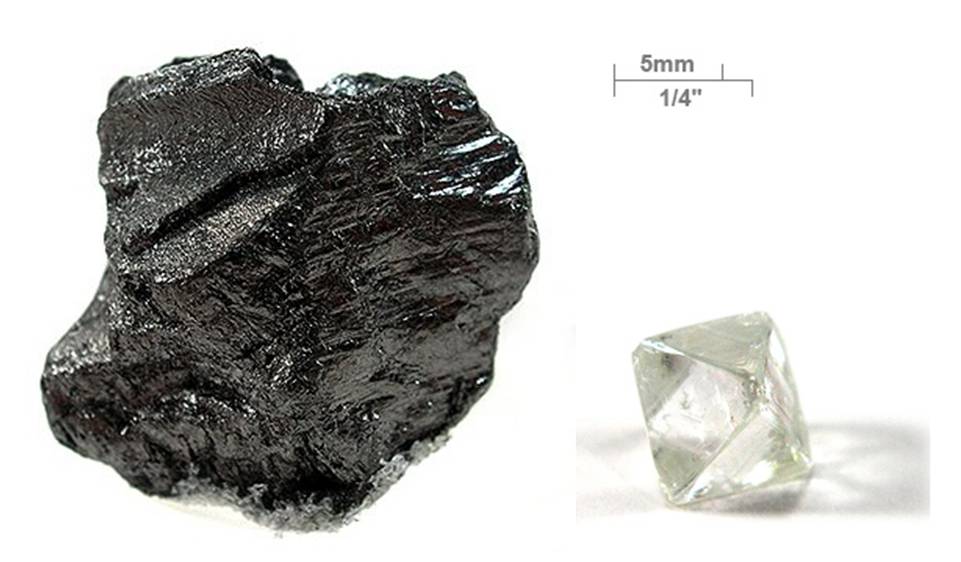
 Contributors to Wikimedia projects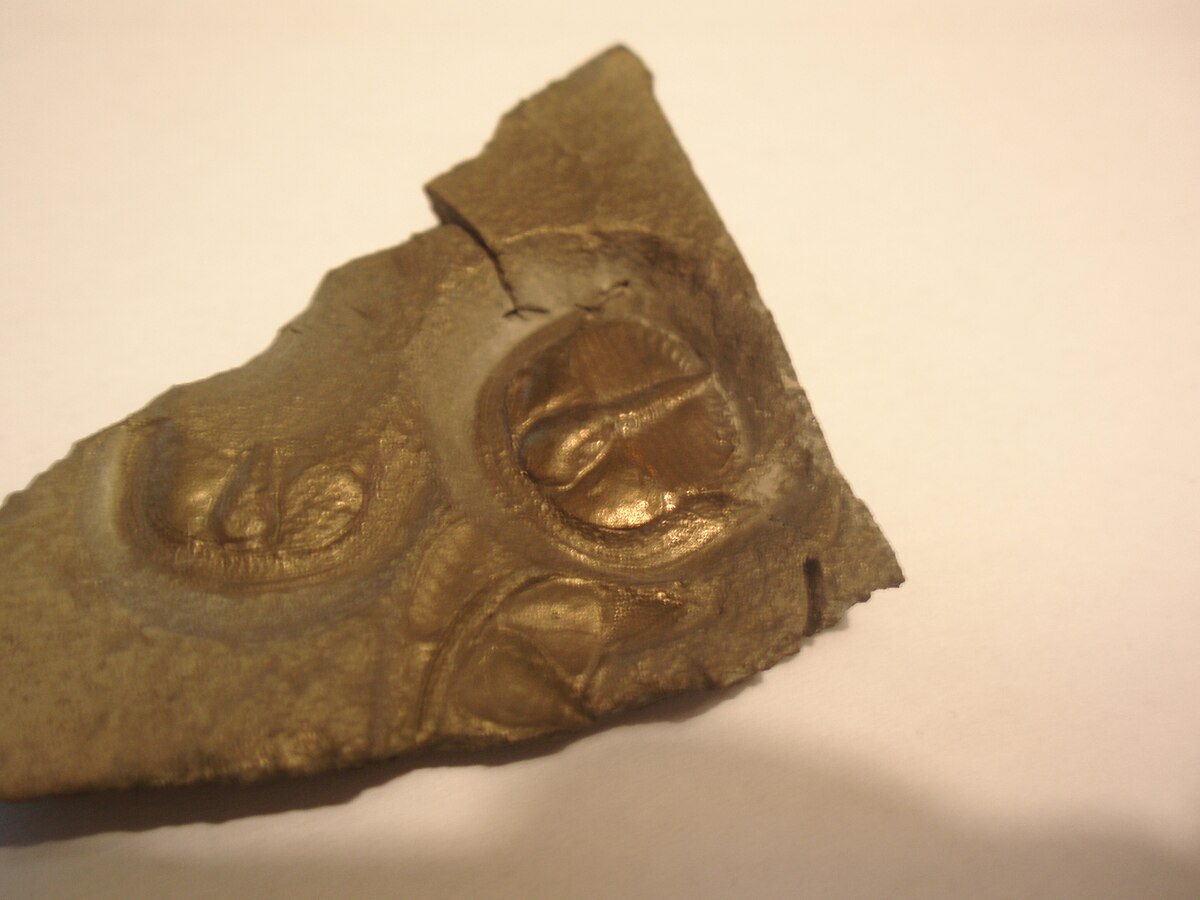
 Contributors to Wikimedia projects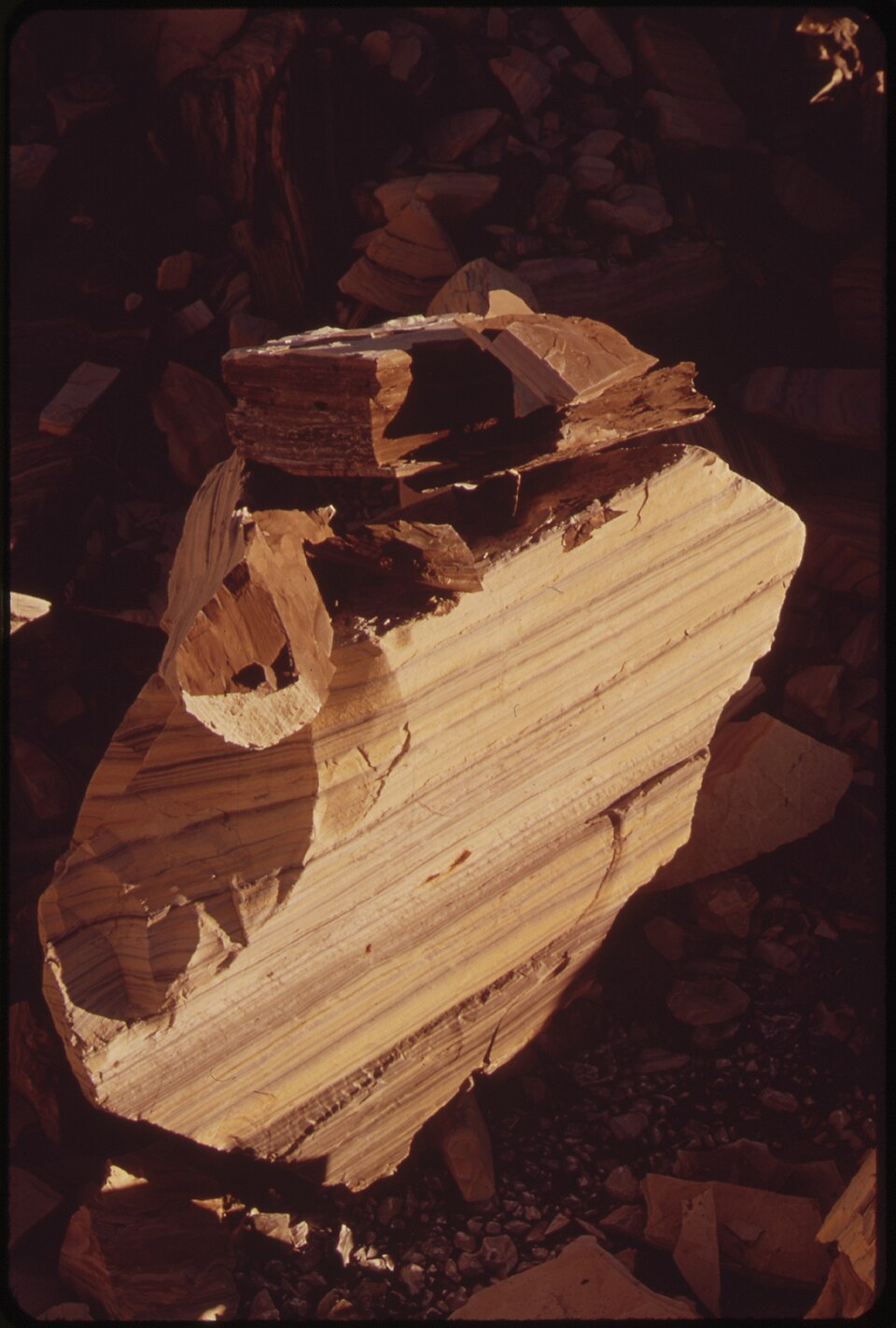
 Contributors to Wikimedia projects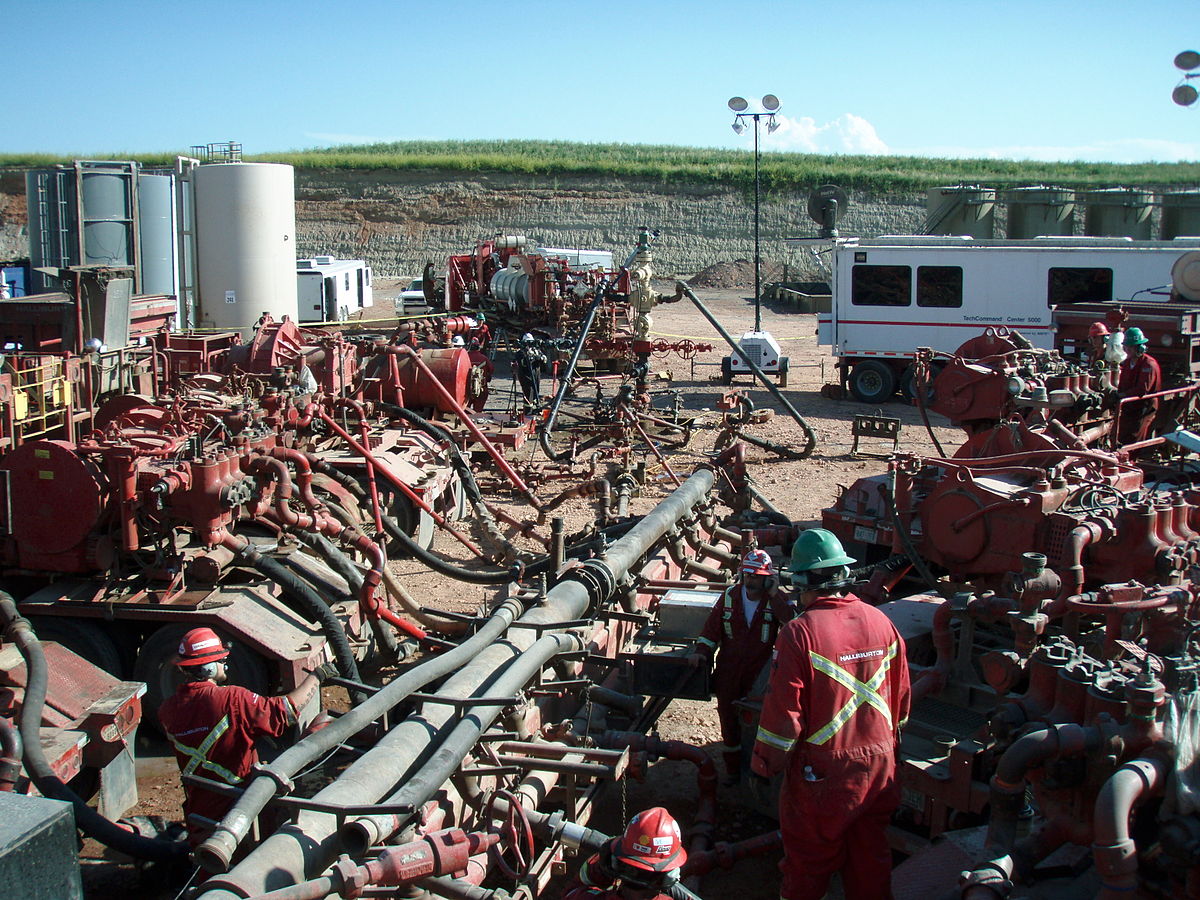
Theme Music
Theme music by
sirobosi frawstakwa


#drjoshstout
#peakoil
#nopeakoil
#venezuela
#oil
#diagenesis