What do Politics, Hepatitis D and the Beginnings of All Life in the Universe Have in Common?
The answer to that question would be Dr. Josh Stout.
Please scroll down for links below the transcript. This is lightly edited AI generated transcript and there may be errors.
Eric:
Hey folks, welcome to MindBody Evolution. It's been a while. Josh had some things he wanted to talk about because there's been a lot going on. There's just been so much going on.
Dr. Josh Stout:There really has.
Eric:Yeah, so where do you want to start, Josh? Because we could go in so many different directions.
Dr. Josh Stout:And I plan to. I really would like to. Actually, I want to start with politics and end up with the origin of life because politics is boring, but let's start with politics. That's an interesting
Dr. Josh Stout:So I, I have been driven crazy as we all have by what's going on, particularly the lies in the field of science and really particularly, uh, this anti-vaccine stuff.
Eric:Wait,
Eric:you said the lies in the-
Dr. Josh Stout:The lies in the field.
Eric:The lies in the field of science.
Dr. Josh Stout:Yeah,
Dr. Josh Stout:that we, we now have a, a, you know, complete coup in the CDC and, uh, you know, our, our national health apparatus taken over by people who are against vaccines. The thing that has most saved us through the 20th century and it is, it is, it is just insanity and, uh, I wanted to point out the connection between these lies and, uh, Putin, uh, that Putin has been pushing this since he was in the KGB. It was, it was a KGB.
Eric:When you say he's been pushing this, what is?
Dr. Josh Stout:It's just the anti-vaccine stuff because he knows full well, it is terrible for our country to be against vaccines.
Eric:I would, I would say that it's not just terrible for, for our country. He's spreading this.
Dr. Josh Stout:He's spreading it everywhere, but in Russia where he's in favor of vaccines, but he spread at, but, and the KGB has been doing this for a long time.
Eric:I mean, kind of like, kind of like, um, Kennedy who is pushing anti-vax except for his own family.
Dr. Josh Stout:Perhaps. I hadn't necessarily thought of him as an agent. I think of him more as a useful idiot.
Eric:Sure, but he's doing the exact same thing. His family's vaccinated.
Dr. Josh Stout:Yeah. I don't know if he's pushing that, but anyway, um, I think most of his family are sane. Uh, so that's a different
Eric:We know nothing about them, but we certainly seem to know way too much about him.
Dr. Josh Stout:Way, way, way too much.
Dr. Josh Stout:And so I was just incensed by this idea that, um, Russian propaganda can be used to pay useful idiots in this country to push a, um, a campaign to kill people, basically. To, to stop people taking vaccines. And, uh, it was just driving me crazy, but I wanted to take a biological angle on it because that's where my expertise lies. And so I started looking into vaccines and, you know, they're just so good for you. It's not just that you don't die, which is obviously good for you, but, you know, they, not getting sick is also good for you.
Eric:Yeah.
Dr. Josh Stout:For so many reasons.
Eric:Being healthy is a healthy thing.
Dr. Josh Stout:Is a healthy, a healthy thing. So, you know, for example, I, I just found out that, um,
Dr. Josh Stout:the shingles vaccine reduces dementia, even if you get it at the age of six, 79. Late in life.
Eric:Where did you hear the shingles vaccine reduces dementia?
Dr. Josh Stout:It just came out. It was a paper that was recently put out there. It was making it into sort of all the science-y news. And, uh, it was a really well done study where, um, a couple of places in Wales and later in Australia, uh, didn't give the vaccine to 80 year olds and would give it to 79 year olds. And so they had a natural experiment of two populations that were only months apart from each other. And they could look at who had more dementia. And it was definitely people who didn't get vaccines.
Eric:Why would they not give it to 80 year olds?
Dr. Josh Stout:It didn't seem worth it. And they're absolutely going to change that now.
Eric:But
Dr. Josh Stout:it didn't seem worth it. There were other vaccines that could be used against some things, but it turns out, um, the most likely culprit is the actual inflammation of neurons caused by, uh, the chicken pox virus And the viruses live in your nervous system.
Eric:Well, I wonder, I wonder if there's any, any, you know, cases of late onset autism from this vaccine.
Dr. Josh Stout:No, no, sorry. No, it's like thinking Tylenol is going to make you autistic. No, you're not going to suddenly become, sorry. No, that's a totally different thing. Anyway, back to reality.
Eric:Yes. Sorry. I had to go there. How could you not?
Dr. Josh Stout:Not getting sick is good for you for so many reasons. Not getting, not getting, uh, chicken pox in the first place because you've been vaccinated. So that these viruses don't go into your, uh, total, you know, neurological system and start messing it up from a very early age. And then not getting it later when it starts to inflame your, your, your, your brain and cause, um, you know, degradation and dementia. These, these are all things you don't want.
Eric:I, I kind of thought that the, that the, the, the basic good of vaccines was something that was accepted, except in a fringe area.
Dr. Josh Stout:Exactly. And somehow the people backed by Putin made it into power. And we now have fringe people who are mainstream.
Eric:I think we've talked before about what you can get done when you have unlimited bags of money to hand out around the world.
Dr. Josh Stout:Yes. Like Putin does. He, he, he takes oil out of the ground, turns it into cash and then uses it to destroy our country. Um,
Eric:well, I mean, again, what we've been talking about is that, that his mission has been to destroy democracy and any organization towards democracy. Yeah.
Dr. Josh Stout:And, and, and anytime anyone wants to split apart, he's in favor of anything that's going to actually, in any way, damage, uh, the economies of, of democracies.
Eric:Democratic countries.
Dr. Josh Stout:Exactly. Yeah. And so anti-vaccine is, is, is, is one of his approaches.
Eric:I love the, the other night, I, you know, I don't know if you caught it, but, uh, Rachel Maddow went on Stephen Colbert's show and she just flat out said what you and I have been saying for, for a long time. That, that, that Trump is just working for Putin. Like
Dr. Josh Stout:basically working for Putin.
Eric:You know, we've been, we haven't, I don't know if we've said that here, but this is something that you and I have been talking about. For a long time.
Dr. Josh Stout:Ranging from useful idiot into flat out asset.
Eric:Just asset.
Dr. Josh Stout:Not an agent. He's never been an agent because he's not that kind of person. He's an asset. He's manipulable.
Eric:He's no one's
Eric:agent.
Dr. Josh Stout:He's no one, he's no one's agent. Exactly. Yeah. Yeah. Yeah. Yeah. He's, he's, he's an asset and, and, and a useful idiot.
Eric:Yes. But I don't even know he, but, but, but, but. They have something on him. And this is something else that she was flat out saying.
Dr. Josh Stout:That's how you become an asset.
Eric:Again.
Dr. Josh Stout:That's how you become an asset.
Eric:I'm, I'm, I didn't want to be seen like some sort of crank when we were saying this 18, 24 months
Dr. Josh Stout:Even if it's nearly, you know, what happened with Deutsche Bank and how those loans went through. It might not be anything more than that.
Eric:Follow the money.
Dr. Josh Stout:Yeah. Exactly. You know, but there's, there's, there does seem to be something there given that he acts exactly like a Russian asset all the time.
Eric:All the time.
Dr. Josh Stout:And, you know, this has led to real, real problems in our country. And the vaccines really, really, really show that. And so I wanted to get into that side of biology and think about it. And then I started realizing we already knew Putin's a bad guy. Yeah. None of this is new information for us. We're not really experts in this field. So I should really focus on the biology.
Dr. Josh Stout:And that's when I realized the biology is so much more interesting. It's so much more interesting than all of this politics. And so I started looking into hepatitis B because they're talking about not recommending it for children anymore. And, you know, what a tragedy that will be. Okay. So I started looking at what is hepatitis B? Destroys your liver. That's what we know what hepatitis is. You get, you get jaundice. You know, it can kill you. You need to have a liver transplant. So terrible disease. Most people, it doesn't do anything.
Dr. Josh Stout:Like we've found out recently, you know, many, many diseases from COVID to the flu can just sit there and move around without causing any problems.
Eric:Just
Eric:be there.
Dr. Josh Stout:And can live in you for a while. And still, you're not as well as you might be. But you're subclinical. You know, you wouldn't show any particular symptoms. And that's very typical for hepatitis B, which is why it can spread so easily. And it's usually sexual contact or intravenous drugs. And so people are saying, why have children? But it can come from any other thing. And you don't want to live in a world where, you know, blood is so dangerous. There's a lot of blood at birth.
Eric:But
Eric:it is.
Dr. Josh Stout:You know, that's a time when it's really dangerous. You know, having vaccines for babies, I think, is a great idea just to protect them in general. Particularly because of all these things that viruses do to you, even if you're not that sick.
Eric:That's right.
Dr. Josh Stout:And they're transporting from person to person and they're causing problems. And then I found out about something called hepatitis D.
Eric:Before you get to hepatitis D, I just have to say that I, you know, about three years before COVID, I was talking to my doctor because I had unexplained fevers for weeks. And, you know, that's a terrifying thing that can lead to cancer and other things. And we went through all these tests and he came to me after all the tests and everything was clear. And he's like, I have a controversial diagnosis for you. I think this is a reemergence of the Epstein-Barr virus. And like the mononucleosis I got when I was 17, he's like, it never leaves.
Dr. Josh Stout:It never leaves.
Eric:And he gave me this whole lecture on how viruses stay with you for the rest of your life.
Dr. Josh Stout:Yeah. No, I think this is really true.
Eric:And then
Eric:along came COVID.
Dr. Josh Stout:Yeah.
Eric:It
Eric:was like, yeah. Yeah,
Dr. Josh Stout:we know this. We know this. This is something that's happening. We don't know to the extent of how this is happening, but it has been happening from the very beginning. And that's sort of what I started getting into.
Eric:So I'm sorry, hepatitis D.
Dr. Josh Stout:Hepatitis
Dr. Josh Stout:D is kind of a metavirus. It's a virus of viruses, but it still makes you sicker if you get it. So hepatitis B can be an acute infection that comes and goes. You get over it, and it's gone-ish. Or it can be the chronic infection, and that happens to somewhere around 10% or so of people who get it.
Eric:Yeah, my mother actually had that.
Dr. Josh Stout:If you have, and I assume it wasn't from intravenous drug use. No. Yeah, yeah.
Eric:She was on massive cortisone doses for a long time.
Dr. Josh Stout:So these things can happen to people, and so being vaccinated would have protected her.
Eric:Oh, yeah.
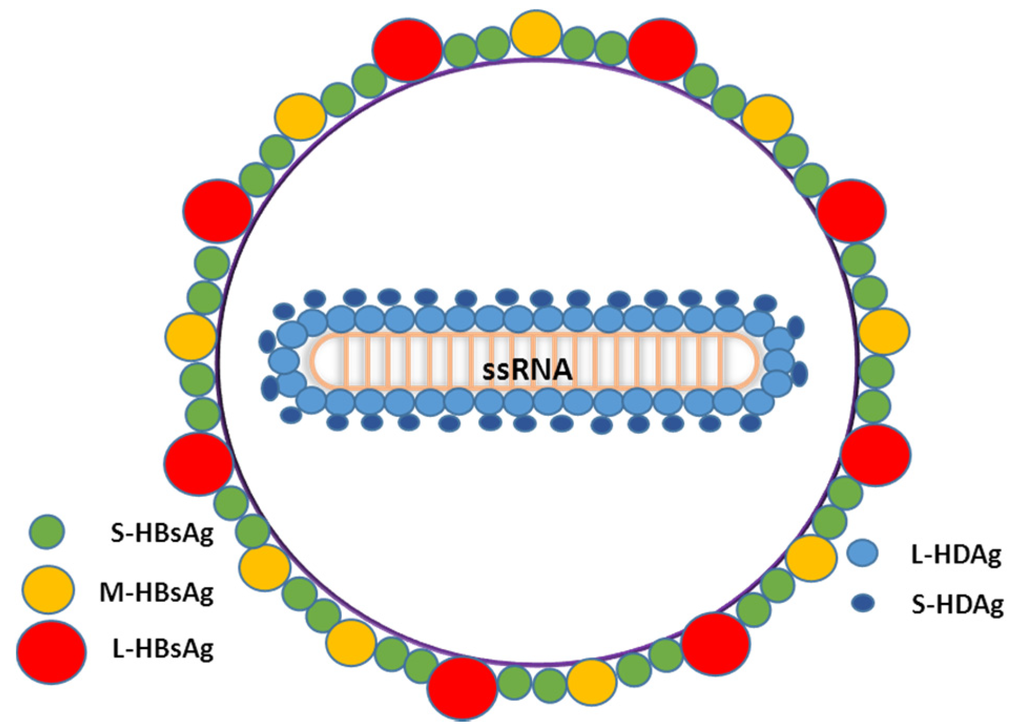
Dr. Josh Stout:Yeah. So anyway, if you have hepatitis B, there's another kind of hepatitis that can come in, hepatitis D, that only can spread if you have hepatitis B. You can only catch it if you have the first kind. You catch D if you already have B. And D makes B worse and more likely to become chronic. If you already have chronic one, then D will become chronic with it as well. And I started researching what hepatitis D was. So simply getting a vaccine against B will protect you against D because you cannot get it, and it will stop spreading through the population. It will die out because it is a parasite on the
Eric:Is there a vaccine for hepatitis B? B,
Dr. Josh Stout:yes. That's the one that...
Eric:Is
Eric:that gamma globulin?
Dr. Josh Stout:No, no, no. It's a straight-out vaccine, and it's the one that they just decided to ban in children about three days ago. That's why I was freaking out about this. That's when we started. Sorry. That was the beginning thing that made me freak out.
Eric:Did I miss that? Did you say that already? Forgive
Dr. Josh Stout:I guess I didn't, but we sort of start... I started there of, oh, my God, we're the lies against science, and yeah, they're...
Eric:They've banned it?
Dr. Josh Stout:Well, not banned it, but they've decided not to have it on the recommended list of vaccines for children.
Eric:But why?
Dr. Josh Stout:Because they don't like vaccines, because Putin. And so I just didn't really want to go there because there is no logic, and I can't explain that. And, you know, the logic of, you know, Bobby Brainworm is difficult to explain. You know, I, I, I, all of that made me sad, and then investigating biology made me interested, because I got to go down a really interesting rabbit hole.
Dr. Josh Stout:So hepatitis D is a non-coding piece of RNA. So DNA in your nucleus of your cells gets turned by a polymerase, RNA polymerase, into RNA, which gets packaged into little messenger RNAs, which get turned into proteins, which get turned into you. Okay?
Eric:Right.
Dr. Josh Stout:Right. And that's the protein that makes you.
Eric:It's a multi-step process.
Dr. Josh Stout:So there's the code inside the nucleus.
Eric:Starts with RNA?
Dr. Josh Stout:The
Dr. Josh Stout:DNA starts with DNA.
Eric:DNA.
Dr. Josh Stout:Coded to RNA. Coded to protein.
Eric:Because the RNA will translate the DNA into what's needed for the protein?
Dr. Josh Stout:The RNA code comes from the DNA code, and the RNA tells what sequence of amino acids is going to happen. The RNA gets fed into a ribosome, like a, like a conveyor belt, and out comes a string of amino acids, and that's what makes proteins. So the
Eric:RNA gets fed into a ribosome.
Dr. Josh Stout:Into a ribosome, outside of the nucleus.
Eric:And the RNA gets the, gets the code from the DNA.
Dr. Josh Stout:Exactly
Dr. Josh Stout:. So the DNA gets copied into RNA, and then the RNA gets copied into protein.
Eric:Because RNA is manipulable and the DNA is fixed, unless it's mutated?
Dr. Josh Stout:No, it's just, it's just, it's just the way it works.
Eric:Why does that happen?
Dr. Josh Stout:It's, it's, it's sort of a safety mechanism. It keeps the DNA inside the nucleus, and then there's a membrane, and then the RNA is happening out here.
Eric:Okay.
Dr. Josh Stout:And so there's, like, a separate,
Eric:I had a vague memory from high school biology.
Dr. Josh Stout:The DNA is kind of like the master code. You don't want to mess with the DNA, and the RNA is the active stuff.
Eric:Right.
Dr. Josh Stout:And so the RNA is where all this stuff is happening, but it gets messed with a lot. And so a lot of viruses are RNA. So a virus gets into your cell and goes packaging itself through a ribosome, and the ribosome copies that RNA into new proteins that package new viral particles and make you super sick. Those foreign proteins in your body. Right.
Eric:They keep rebuilding themselves and copying themselves.
Dr. Josh Stout:Exactly. Exactly. So, so, so COVID was, was an RNA virus that mimicked, uh, mRNAs, the thing that come out of the nucleus, but was making new versions of itself and periodically just linking to other pieces of you and would take pieces of other, um, COVIDs, take pieces of your RNA, copy itself into itself. Because DNA, RNA loves to stick to itself if it feeds, finds any complementary pieces, and then it will just cut a piece out and go onto the new chain.
Eric:And
Eric:this is also part of why it can persist for so long. It hides here and there.
Dr. Josh Stout:It hides here and there and back. It hides here and there and back. By coding itself in you.
Eric:Yeah.
Dr. Josh Stout:Yeah. And so that's classically what, what, what a viral particle will do. And so that's what, um, uh, uh, hepatitis B does. It takes, uh, viral, uh, coding, the outside coding from its host, from you, and puts it around itself. So it can get from cell to cell and then it goes into your cell and then copies itself using the, the ribosome into a, into a new set of viruses. Hepatitis D is a circular piece of DNA that is its own compliment. So, um, it's made of only, pretty much only Gs and Cs. So, uh, so, uh, DNA is A's, T's, those two stick together and Gs and Cs, they stick, they stick together. So it's a whole bunch of Gs and Cs that then stick together.
Dr. Josh Stout:So you have a circle that sticks to itself and makes a line. And this line is now acting like double-stranded DNA. RNA is usually a single strand. It's not. It's, it's pretending to be double-stranded DNA. And so it, and it's a reverse transcript. It's the opposite of what it wants to be is RNA. And so it pretends to be DNA, a double-stranded DNA, gets RNA polymerase to come and copy it and copies new versions of itself. It goes around and around in a circle with this polymerase just going around and around and around and around. It's
Eric:infinitely copying itself.
Dr. Josh Stout:Infinitely copying itself. And what comes out of the polymerase is a straight line of RNA. So it takes a circle.
Eric:And this, this, this thing does all of this itself.
Dr. Josh Stout:It does all of this itself. It makes, it makes, it has a little code telling the RNA where to, where to attach. It makes itself into a double strand and then has the RNA just go round and round and round and round. And the RNA has a little enzyme that goes in front of it, opening it up so that it doesn't stay a bar. Otherwise it would run to the end. So it opens up and just goes around and around and around and around.
Eric:It just keeps making more and more and more.
Dr. Josh Stout:And keeps making more and more and more and more. And so now you've got this long straight line. And that long straight line is that same code of RNA repeated over and over and over and over and over again.
Dr. Josh Stout:Within it is something called hammerhead RNA. A hammerhead, a hammerhead ribosome or RNA is essentially something like a ribosome contained inside the code of the RNA. And it's called a hammerhead because it has two circles of RNA that look like little eyes and a little nose in the middle. So it looks like a hammerhead shark. And this thing causes this long strand to fold in and make itself into circles again.
Eric:Hence, hence the beginning of what you.
Dr. Josh Stout:Back, back to the beginning of it. But it can't leave the cell because it doesn't have that hepatitis B outside coding that hepatitis B stole from its host. So it gets hepatitis B to package it in a host protein coding.
Eric:Hence it
Eric:cannot exist without hepatitis B.
Dr. Josh Stout:Exactly. Really can't exist without it. It codes for no
Eric:Is hepatitis B called Ouroboros?
Dr. Josh Stout:It
Dr. Josh Stout:basically is an Ouroboros. Absolutely. I thought about that same exactly thing when I was reading about it. And so this turns out to be maybe, it might be the origin of life. It's certainly a new level of life.
Eric:So wait, wait, wait. You're saying this might be the origin of life. You're saying that this RNA existed before DNA.
Dr. Josh Stout:It seems like it could be true.
Eric:I was just reading an article and I do not remember where I was reading this article. I wish I could remember that there's recent theories that RNA preceded DNA, that in the soup...
Dr. Josh Stout:It really makes a lot of sense.
Eric:...was RNA first. Well, this just...
Eric:I mean, if this is true, if this kind of thing that can just spontaneously happen on its own happens here and that it builds the precursors to life, like, how is there an argument that this can't happen anywhere in the entire universe?
Dr. Josh Stout:Exactly. And then the next step that people do is the anthropic argument that this automatically leads to people like creatures. And then they're like, and because of this God.
Eric:Any life. Any life.
Dr. Josh Stout:And so this is often...
Eric:Well, that's interesting because of this God, because I see the exact opposite argument, that the only argument for the fact that this has only occurred right here on this planet in the entire cosmos, the only argument for that is God. That's the only argument for that, because this spontaneously occurs. I just read an article that they found sugars in an asteroid from deep space that preceded the solar system.
Dr. Josh Stout:In the intelligent design community, the inevitability of life would be an argument that the universe was created intentionally to produce life.
Eric:The universe is a machine that creates life. It was not created to create life.
Dr. Josh Stout:And it was intelligently designed to do this. And particularly when people talk about molecular biology, there are molecular biologists within, you know, 40 miles of me right here at, you know, universities in New Jersey that I know about, who are creationists, particularly because they see the complexity of this kind of molecular machinery needing an intelligent designer.
Eric:Yes, I know some of these people as well.
Dr. Josh Stout:And so this is where... I mentioned this a little bit ago. Looking at cosmology and looking at sort of the beginning of the universe and the nature of infinity and bounded infinity and all of these things that we've talked about, I've decided I really shouldn't call myself an atheist in the sense that I'm not going to say I disbelieve in what you believe in. It's not that I don't...
Eric:Okay.
Dr. Josh Stout:I know what I believe in.
Eric:Right. I've always felt that way.
Dr. Josh Stout:And
Dr. Josh Stout:it may or may not be what you believe in. And so I'm not going to say I don't believe in what you believe in.
Eric:Right.
Dr. Josh Stout:Because I believe in a lot of things like an infinite universe with infinite stuff in it. I believe that, you know, truth and beauty...
Eric:I thought you
Eric:didn't believe that the universe was infinite. It's just that we couldn't...
Dr. Josh Stout:It's infinite.
Eric:There has no edge.
Dr. Josh Stout:It's infinite but bounded.
Eric:Right. Okay. Move on. Go on.
Dr. Josh Stout:Yes.
Eric:Yes.
Dr. Josh Stout:Which... Anyway, these are classical concepts of a divine being at times as well.
Eric:Mm-hmm.
Dr. Josh Stout:You know, let there be light was a moment in time. Before that, there is no time. Anyway, so these are things that are compatible.
Eric:Or it was the computer that had sublimed and restarted everything.
Dr. Josh Stout:These are things that are compatible with many versions of theologies that I would agree with. And I wouldn't have any problem with it. I also believe in, you know, sort of platonic ideas, truth, beauty, justice. I do not believe that the universe has justice. I think that those platonic ideals are human ideals. And that regardless of the universe's intrinsic beauty, which it definitely has, that doesn't mean that I can say, you know, it's intrinsically just in the sense of it's going to have a good outcome for humans. So when I look at this molecular machinery, yes, I see the intrinsic beauty of the universe. And in that sense, I could say, yes, that's a sort of infinite beauty that would be compatible with the definition of God. But what is it making? It's making hepatitis D. You know, it's not designed for us. And so as long as you don't see the universe as only making us, then I think we're on the same page.
Eric:Who the
Eric:hell knows what it can make?
Dr. Josh Stout:Well, that's what you're arguing is that as long as you see all of these mechanisms as being universal, then there must be life everywhere.
Eric:You've been talking
Eric:about silicone-based life forms.
Dr. Josh Stout:There must be life everywhere in all different forms.
Eric:Yes.
Dr. Josh Stout:Exactly. Yeah. Yeah. Yeah.
Eric:And I think that any argument otherwise flies in the face of contemporary science.
Dr. Josh Stout:Right. And so when I think of an intelligent designer, I would try and make one that didn't make hepatitis D for myself. Well. But if it's an intelligent designer that doesn't care about anything about us, and it just exists, there's not really different.
Eric:What
Eric:it's an intelligent designer who wants to give us some challenges to face?
Dr. Josh Stout:Yeah.
Eric:Why not that?
Dr. Josh Stout:There's no end to that sort of negative speculation.
Eric:Right. It's a totally valid argument. I mean...
Dr. Josh Stout:Nietzsche
Dr. Josh Stout:talked about the God of the gaps. And he didn't like this idea. And I also don't like this idea.
Eric:What is the unpack the God of the gaps? For those of us who are not familiar?
Dr. Josh Stout:Anytime you don't know something, that's where God is. So if you don't know where life came from, then God made life. And then all you have to do is get closer and say, well, actually, there's evolution. And that explains all of that. Then people are like, well, then you're trying to disprove God. And which is the opposite of what people are trying to do. They're just trying to describe what's actually happening.
Eric:I want to describe how this functions and what the processes are.
Dr. Josh Stout:And
Dr. Josh Stout:I see no incompatibility with people who are religious and scientists because they're exploring the beauty of the universe.
Eric:Sure. Yeah. Yeah.
Dr. Josh Stout:It's... When you start talking about a purpose to every little action and that that purpose is directed at humans specifically, that's when you get into, you know, an Earth-centered universe, the Ptolemaic universe before Copernicus. That's when you get to before Darwin, right? These are all these worlds of ignorance where we make ourselves the center.
Eric:And how
Eric:long ago was that? Because it feels like so many people are still living in that world.
Dr. Josh Stout:I
Dr. Josh Stout:know. know. Well, it's hard not to see ourselves as the center.
Eric:Yes.
Dr. Josh Stout:Right? Because in very many ways, you are the center of your own universe. In very many ways.
Eric:As you need to be.
Dr. Josh Stout:As you need to be. Exactly. And it's difficult to think about.
Eric:There's
Eric:nothing wrong with that, but you need to also be able to exist in the world outside of yourself as well.
Dr. Josh Stout:So
Dr. Josh Stout:anyway, thinking about hepatitis D led me to a wonderful rabbit hole of this sort of alternative form of life that is able to copy itself, has within it its own self-editing code. It's not a protein, doesn't code for any proteins, but is able to take its own copied code and then form it back into little aeroboroses, which can then copy themselves again. And so the hepatitis D is closest to something called viroids, which exist mostly in plants, which have no protein code, and just use plants to copy themselves.
Eric:No protein code, which is what it needs from hepatitis B.
Dr. Josh Stout:Which is what it gets from hepatitis
Dr. Josh Stout:B. So these things are in plants and have no protein code but are able to copy themselves. And they're related to something called transposons, which are pieces of DNA that have a editing point that edit themselves out of the DNA, move to another piece of DNA, and then edit themselves back in again. So this is how we get multicolored corn in the fall. All those different colors are places where transposons have moved and changes the color by jumping around the genetic chromosome and jumping from place to place called jumping genes, Barbara McClintic, all that. So retrotransposons are ones where...
Eric:So you just described transposons and now these are...
Dr. Josh Stout:No, it's
Dr. Josh Stout:a piece of DNA that moves around. Right.
Eric:That is a transposon.
Eric:And now you're moving on to retrotransposons.
Dr. Josh Stout:Retrotransposon is a piece of RNA that gets copied from the DNA and now goes and copies itself into other pieces of DNA elsewhere. Some of these retrotransposons can have hammerhead RNA. They can self-edit themselves from a transcript. And so these are separate entities in a certain way. And they are another grade of life. So when we developed the microscope, we discovered there was a microscopic hidden world.
Eric:Yeah, that we literally could not see before that moment in time.
Dr. Josh Stout:The next step was we started discovering bacteria and viruses. Now we're looking at these things called viroids, which are much, much smaller and are independent pieces of code that can copy themselves and edit themselves. They're still dependent upon cells for their activities, but they seem to possibly be...
Eric:Wait, they can cop... I'm sorry. Please continue.
Dr. Josh Stout:They seem to possibly be sort of the original form that life may have And these little circular pieces of RNA that can copy themselves, make a new one from... If you're in a soup of RNA, they can just make this stuff happen. If you have a whole bunch of amino acids floating around.
Eric:You
Eric:say they can copy themselves and they can edit themselves. How do they make the decision on what needs to be edited? Is this just a random occurrence? Is this things that just happen?
Dr. Josh Stout:Yes.
Eric:It's literally just code.
Dr. Josh Stout:Sorry. And I mentioned amino acids. They don't even make proteins. These are non-coding pieces of RNA, but they make themselves. When I think of non-coding DNA or non-coding RNA, I think of things that are just like an attachment point for an enzyme or an attachment point for a polymerase or something that is an activity. These are only activity. They don't make anything, just themselves. They have... And they make a cell make more of themselves using the ribosomal machine.
Eric:They're literally just self-perpetuating machines.
Dr. Josh Stout:With no protein coding and they don't make any codes. And they can copy themselves into the DNA of other creatures. So they can become a transposon. They can... And so they're connected through this hammerhead RNA self-editing function. Some of them live...
Eric:Sounds incredibly dangerous.
Dr. Josh Stout:Some of them live free form. Out in the world, they cause various diseases in plants. And some of them live in you. And they seem to be throughout eukaryotic and prokaryotic genomes. These are the earliest things that we can find that cover all branches of life. These hammerhead pieces of DNA... Of RNA that have copied themselves into our DNA and are now part of our larger system. And so they...
Eric:You're
Eric:saying they're absolutely ubiquitous.
Dr. Josh Stout:They're absolutely ubiquitous. And they seem to be there was no life before these things as we know it. And so they seem to be the thing that kind of patched itself into us. Like you take these pieces of code that can patch themselves and attach themselves. And they stick to itself. They edit
Eric:So they are the Higgs boson of life.
Dr. Josh Stout:They're the Higgs boson of life. Yeah, yeah, yeah. And so I just really like this idea. And it seems as though... So every time people do a survey of the world of DNA and RNA, they find a lot of these things that they can't identify. They find stuff that's part of no living creature and doesn't fall into any known living group of creatures. Like sometimes like 80% of the sample, sometimes 90% of the sample. Almost all the DNA and RNA out there is unknown life. And this causes scientists a problem. So like, well, maybe it's just bacteria we haven't discovered yet.
Eric:This just sounds familiar for a moment. For a moment,
Eric:I just have to go back to other conversations where we've had where you said, you know, you dip a cup into the ocean. And it's the same thing. You come up with 80, 90% unknown life.
Dr. Josh Stout:Every time. Every time. Same thing in a rainforest.
Eric:This keeps coming back.
Dr. Josh Stout:Diversity is the function of life. Life as anti-entropy seems to be the function of the universe in many ways.
Eric:Yes, it does, doesn't it?
Dr. Josh Stout:And so this anti-entropic pro-diversity seems to be what's happening. But anyway, back to this idea of
Dr. Josh Stout:this unknown RNA world. It's sometimes called the dark biome or shadow biology. We don't know what it's doing.
Eric:Who calls it that?
Dr. Josh Stout:People who are aware of these things, which are not very many people.
Eric:The dark biome.
Dr. Josh Stout:Yeah. If you look it up, you mostly get Minecraft references.
Eric:The Hobbit or something.
Dr. Josh Stout:Yeah, you mostly get Minecraft. So anyway, these are DNA from no known living thing. And we think of DNA as specifically being from living things. And we're now thinking that what this represents are these viroids that are copying themselves throughout our ecosystem. We've only found them in plants. But when we look at pieces of the viroids, we find pieces of animals in them. And so they seem to be jumping in and out of animals as well. We just haven't found any occurrences of them yet. And they seem to be involved in a lot of things, including bacteria, which are everywhere and everything. And so they're a way of DNA communicating with itself, of replicating itself, of RNA replicating itself. They seem to predate DNA, this replication of RNA. And they're, yeah.
Eric:It's
Eric:a little terrifying. It sounds like the Wild West. Like, it sounds like anything could happen anywhere at any time.
Dr. Josh Stout:So
Dr. Josh Stout:, you know, at one point we were talking about hand axes. And we talked about how they get this thing called desert shellac, the shiny coating on the hand axes. That's sometimes given as an example of the dark biome. We have this stuff growing on rocks. We don't know how that happens. It's a silica coating that builds up on rocks. And when we sample it, we find DNA that we don't know where it came from. And so there seems to be probably a bacterial, viral, viroid connection between something that happens over millions of years in deserts involving tiny amounts of moisture and layers of silica building up. You know, there are bacterial colonies that were some of the first fossils that build in shallow seas. It's just bacteria getting bits of silica sticking to the bacteria. And the whole thing gets another layer of sticky bacteria on top. We know about those stromatolites. Those are, you know, well-known. They still exist in Australia, which is wild from, you know, billions of years ago. But these things are happening in deserts all around us. They'll actually grow stones out of the desert. You'll get a dust growing into a rose called a desert rose or something that looks like an eye. It just aggregates itself on. It starts with nothing and makes a rock.
Eric:And you're saying that there's DNA in this. And there's DNA. That's literally just floating in the air.
Dr. Josh Stout:Or something like that. It's in the soil. It's connected to the silica. The silica hardening itself is not the life. The life is the DNA. But they seem to have some almost like symbiotic relationship where they're working together.
Eric:Is there
Eric:life if there's just DNA there? Is that the life?
Dr. Josh Stout:It's like a viroid. So viroids are not considered life. It's just code.
Eric:Same with DNA, right? DNA is not life. It's just code.
Dr. Josh Stout:But this is code going from place to place. It's like, okay. So
Eric:how is that possible?
Dr. Josh Stout:I mean, what is a meme, right? What is an idea that goes from place to place, right? It's not life. It's not us. But they also have this sort of independent existence. Where, you know, we know what the idea is because it's passed from person to person. These codes pass from people to people. And they seem to predate, you know, the RNA codes seem to predate all the other codes. And so the codes that then, you know, replicate themselves into proteins started from these non-coding RNAs that were just making more RNA that could copy itself. And it seems that these things have a relationship with the silica world as well. The world of clays and micelles. Clays form their own little cellular-like bodies naturally in water. If you have, you know, things with different charges, the charges line up with the, you know, the pluses and minuses like that. And they make a sort of hydrophobic thing that's much like a cell. And clays can naturally do this in sort of colloidal solutions like a muddy puddle in the Badlands of alkaline clays is going to have little microscopic cells that are inside it. And those cells can concentrate materials inside them.
Eric:Right. I mean, so you're saying this is a natural occurrence even in things that are not living things.
Dr. Josh Stout:Yeah.
Eric:This is, this seems to be the nature of matter. Like, it does this.
Dr. Josh Stout:It
Dr. Josh Stout:organizes itself. It's, it's, it's, it's, it's, it's while, while there's a gradient always going towards entropy, there's organization that slows the fall towards entropy down.
Eric:Every
Eric:time we have this, these conversations, I just, I keep ending up at the, the, the, the universe is a machine to make life. Yeah, that's what it does. It's, it's.
Dr. Josh Stout:And I would define it not specifically as life, but as this anti-entropic thing where it's slowing down, right? We all end up in the same place eventually.
Eric:Anti-entropic meaning moving towards organization instead of towards chaos.
Dr. Josh Stout:So, so, so, so full entropy would just be an explosion.
Eric:Mm-hmm.
Dr. Josh Stout:You know, a match on fire is less fully entropic than explosion. It's more controlled.
Eric:Mm-hmm.
Dr. Josh Stout:What a living thing does is it takes that same kind of oxidation in the, in the, in the mitochondria and, you know, uses that as its form of energy and does oxidation over a slow period to provide energy. You know, we talked about that happening with making jade. So, under the earth, we have silica rocks very slowly taking in, uh, uh, uh, taking in hydrogen, or taking in oxygen and releasing hydrogen, basically going through something like photosynthesis.
Eric:What, what was that, what was that word? The, what did we call that episode? What was the name of that episode?
Dr. Josh Stout:Oh, I forgot, I forgot the name of the episode.
Eric:But, but you said, but yeah, that was your say, that you're saying that, that essentially the jade is breathing.
Dr. Josh Stout:It's, it's, it's, yeah, it's, it's like some sort of respiration. And, and, and so that this is happening on many scales and, and, and, and, you know, in, in, in many ways that are clearly not life, but are doing many of the components of life. And it doesn't take a long step from there, especially when you see something like these, these, these, um, viroids that clearly interact with life and are, you know, the other side of the code of life. And are ways for this code to transfer around. I mean, you get weird things like a horizontal gene transfer. You can get a gene in one organism going to another organism carried by a retro transposon, copies something out and moves it.
Eric:It moves it to a whole different creature,
Dr. Josh Stout:a whole new order of life and go from bacteria into you and vice versa.
Anyway, I think we should end there because this is wild stuff. It's wild stuff.
Eric:It's fascinating. It's fascinating. All right. Well, um, yeah, I mean, I, I love, I love taking it from, from politics. Yeah. All the way to the
Dr. Josh Stout:philosophical speculation on origin of life.
Eric:So we'll file this one under, uh, under, uh, under discussions. So, uh, once again, Hey folks, thanks for listening to mind, body evolution and, uh, until next time. Take it easy.
 Contributors to Wikimedia projects
 IDSA
IDSA
 Contributors to Wikimedia projects
 Contributors to Wikimedia projects
 Contributors to Wikimedia projects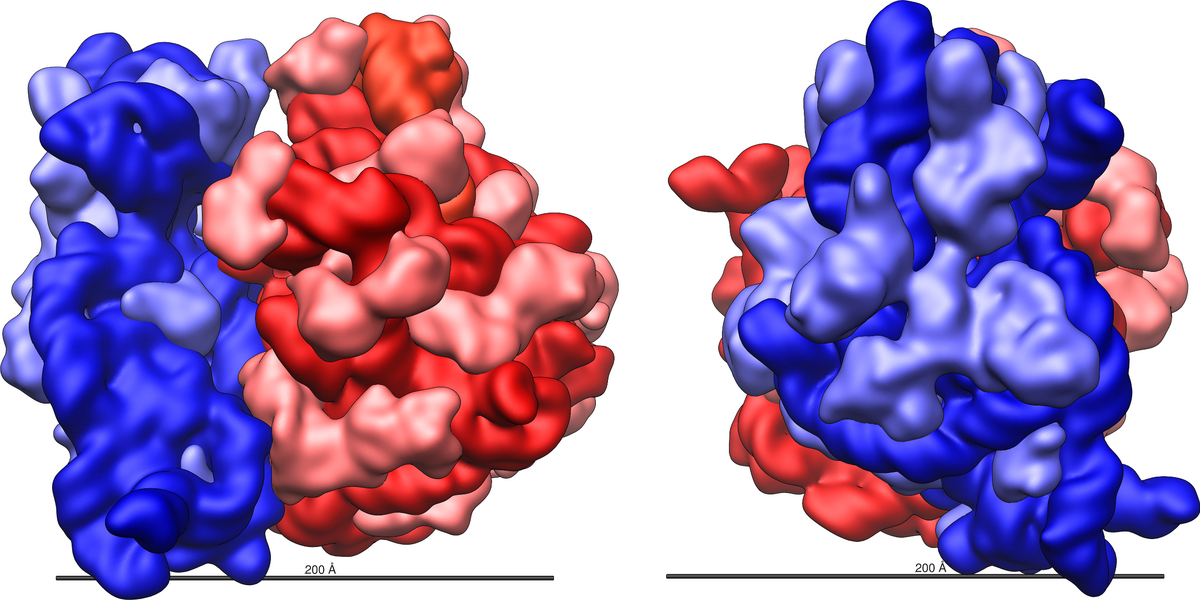
 Contributors to Wikimedia projects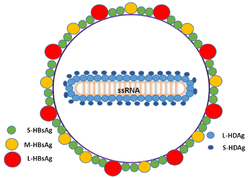
 Contributors to Wikimedia projects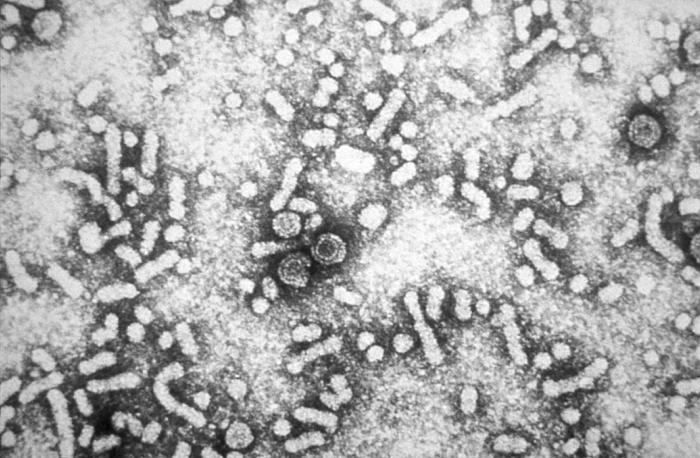
 Contributors to Wikimedia projects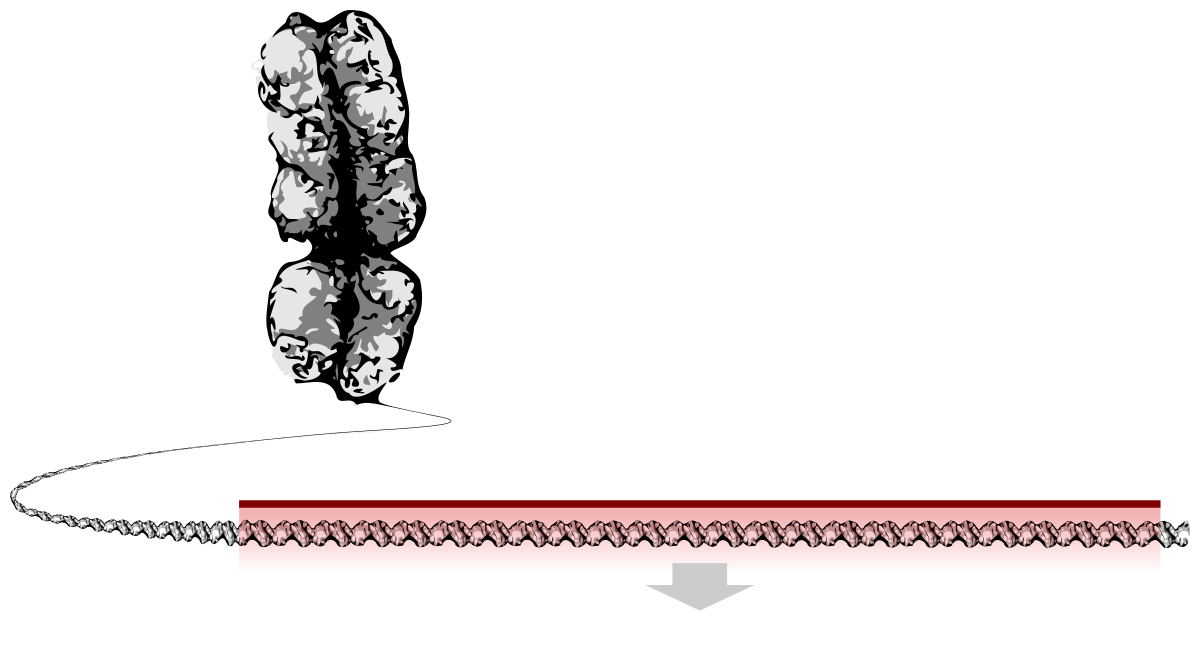
 Contributors to Wikimedia projects
 Contributors to Wikimedia projects
 Contributors to Wikimedia projects
 Contributors to Wikimedia projects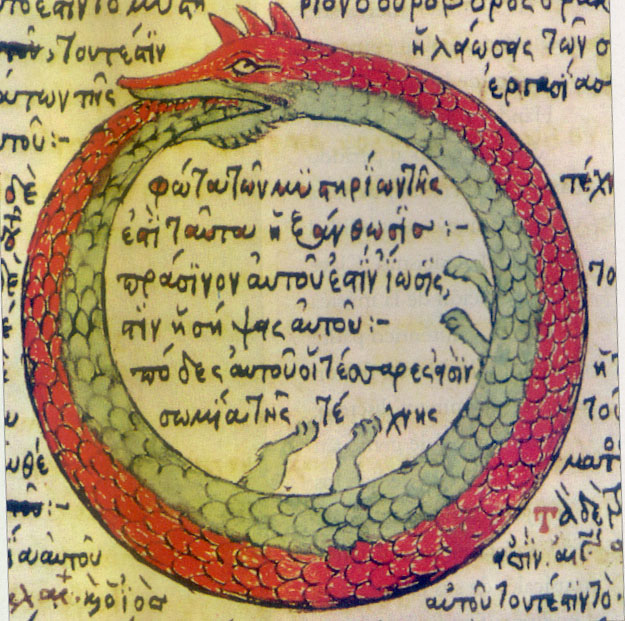
 Contributors to Wikimedia projects
 Contributors to Wikimedia projects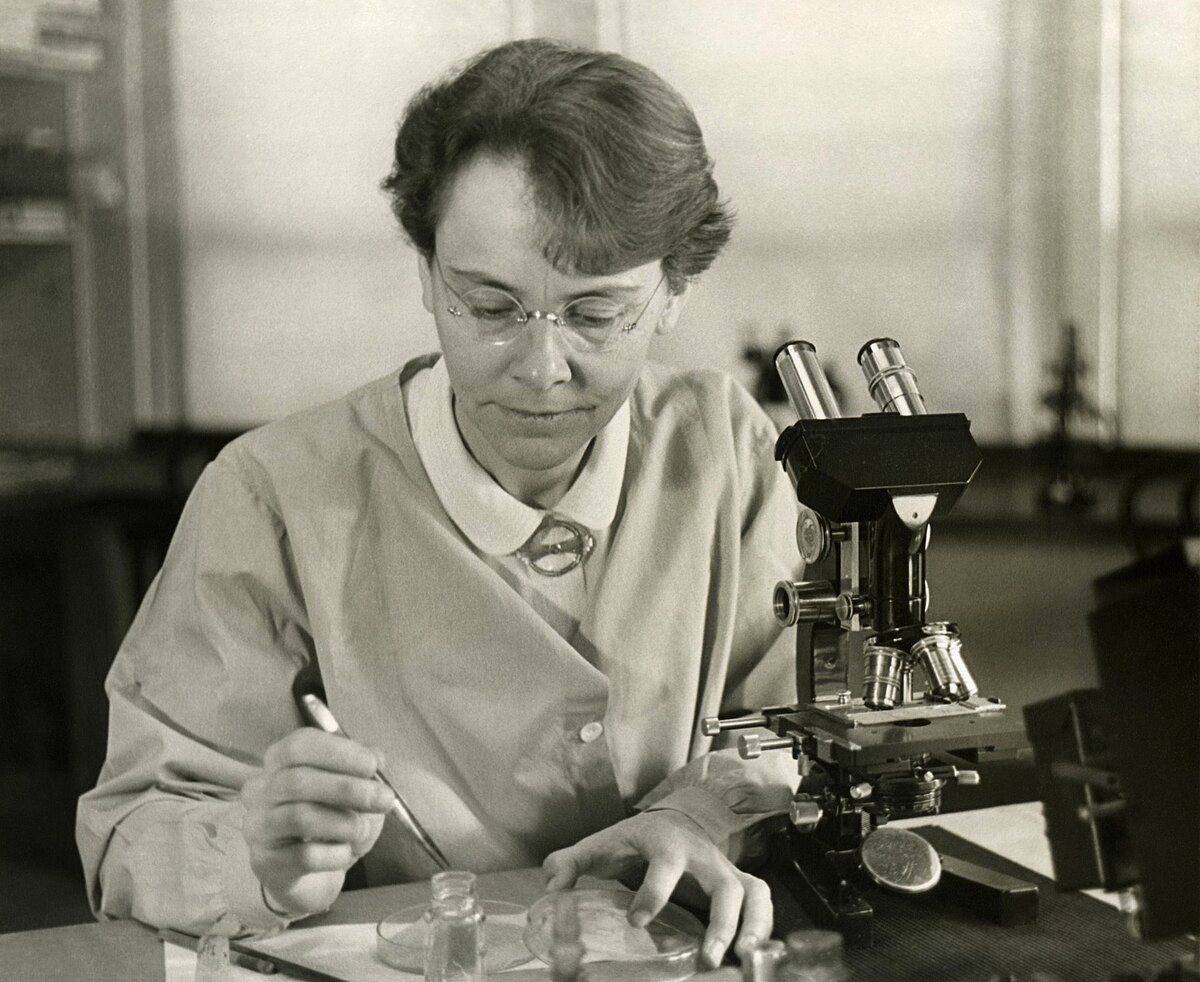
 Contributors to Wikimedia projects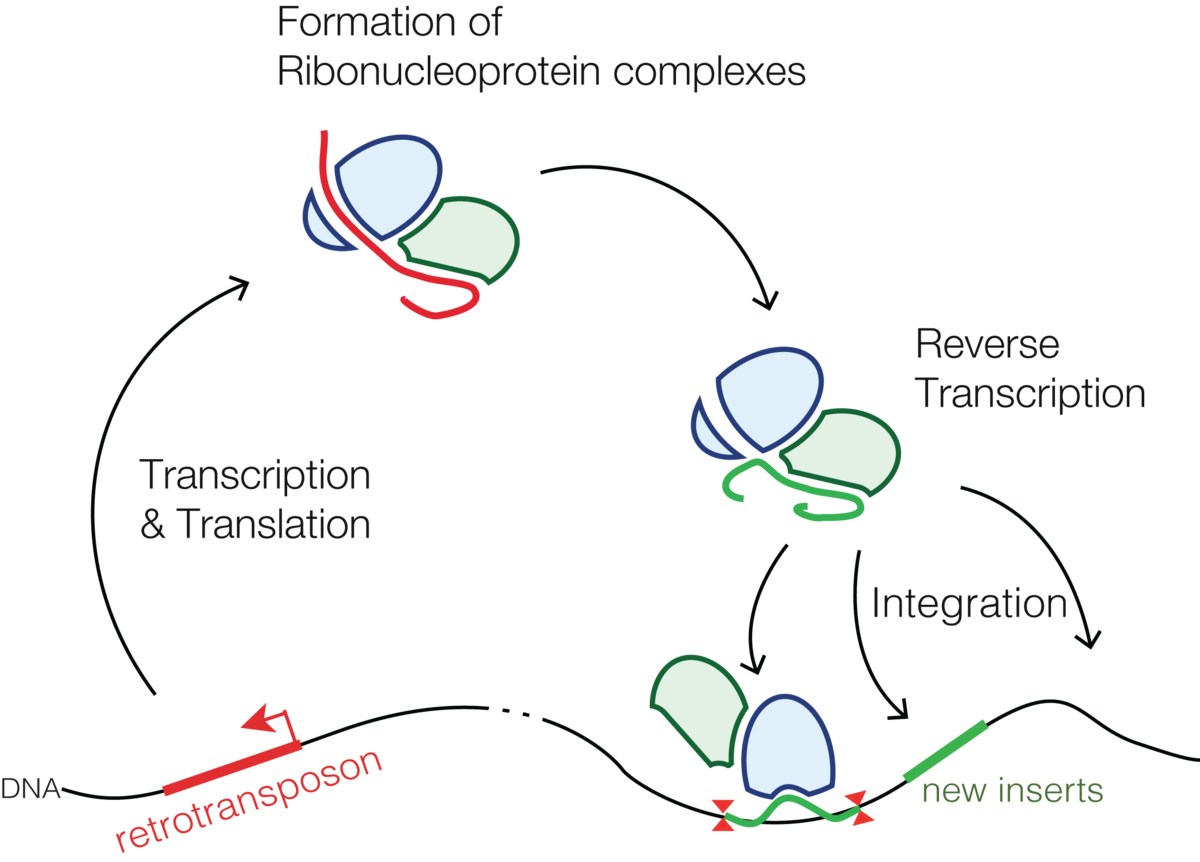
 Contributors to Wikimedia projects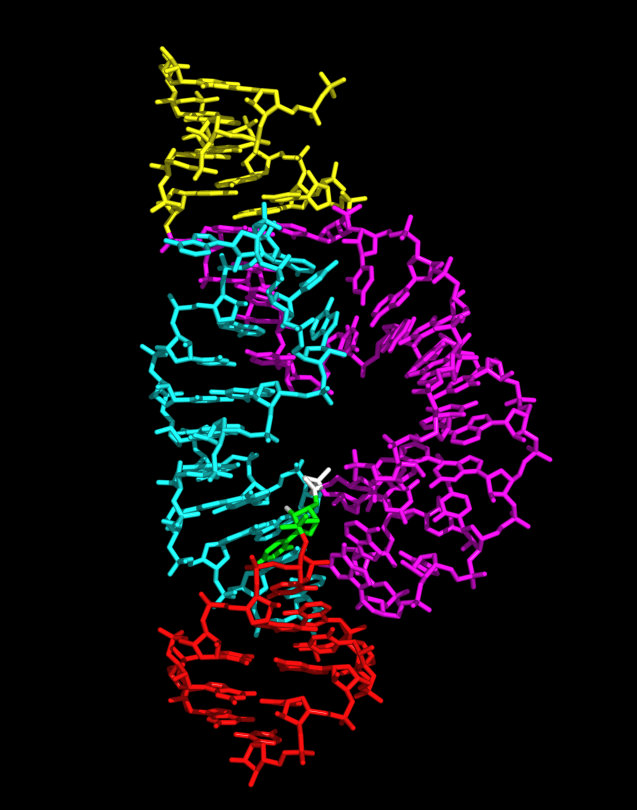
 Contributors to Wikimedia projects
 Contributors to Wikimedia projects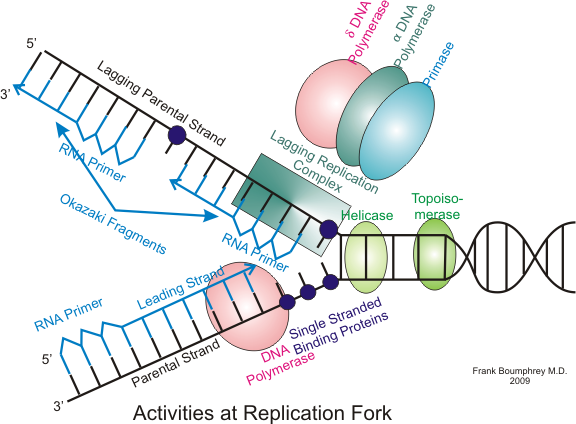
 Contributors to Wikimedia projects
 Contributors to Wikimedia projects
 Contributors to Wikimedia projects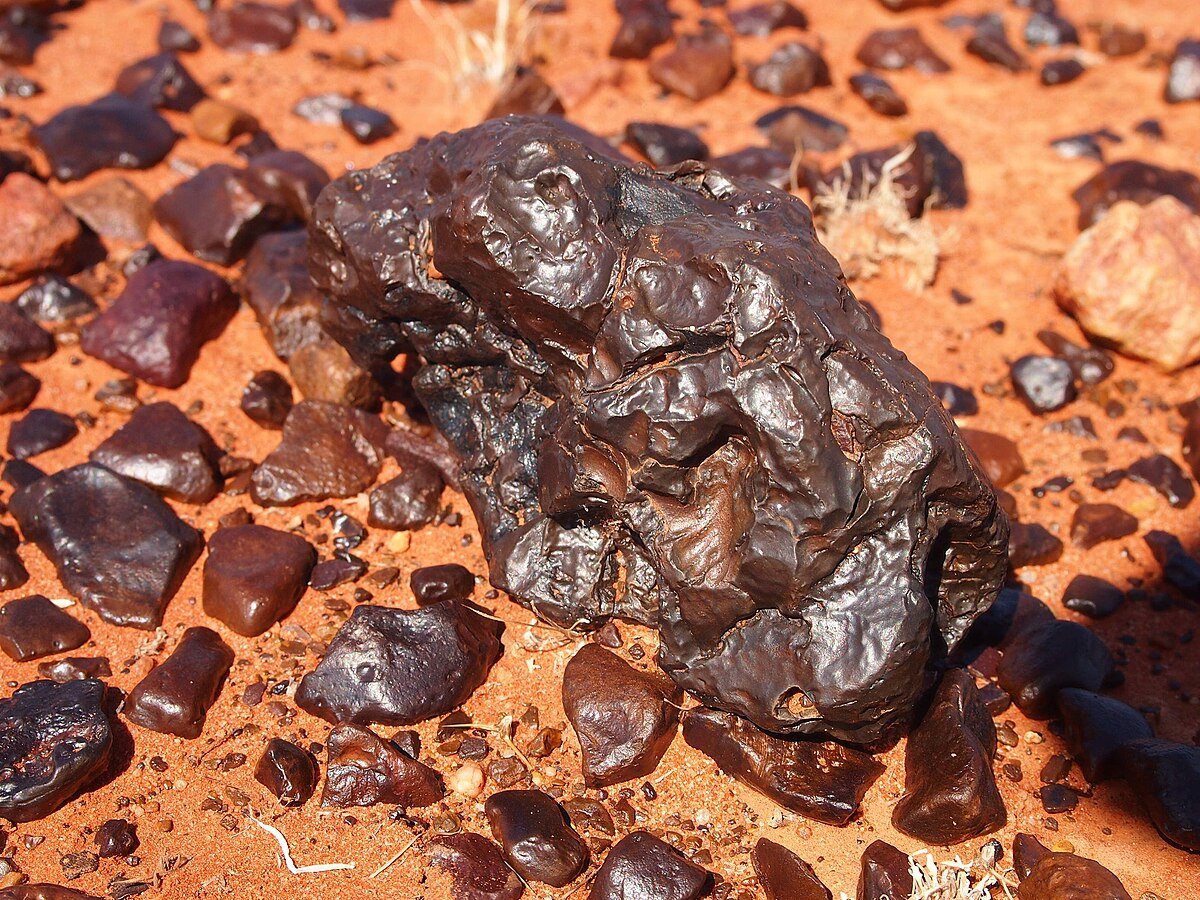
 Contributors to Wikimedia projects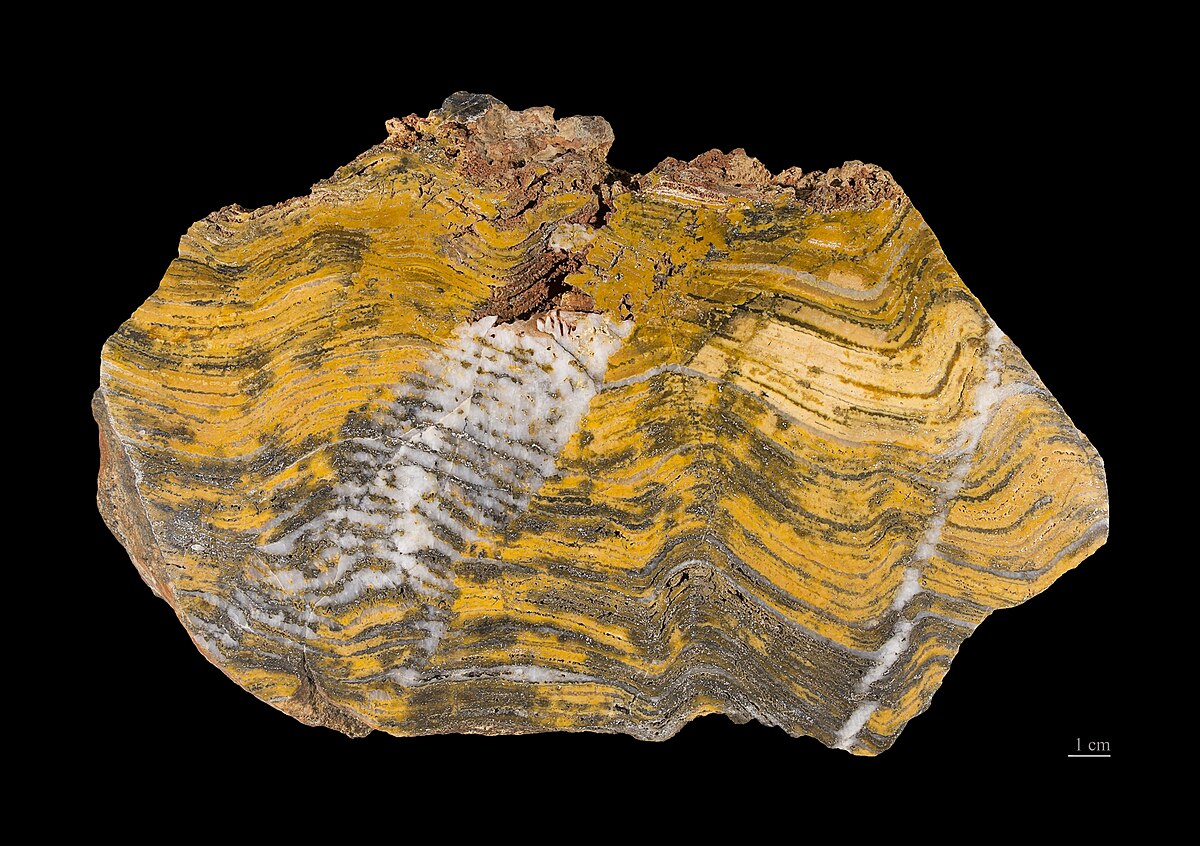
 Contributors to Wikimedia projects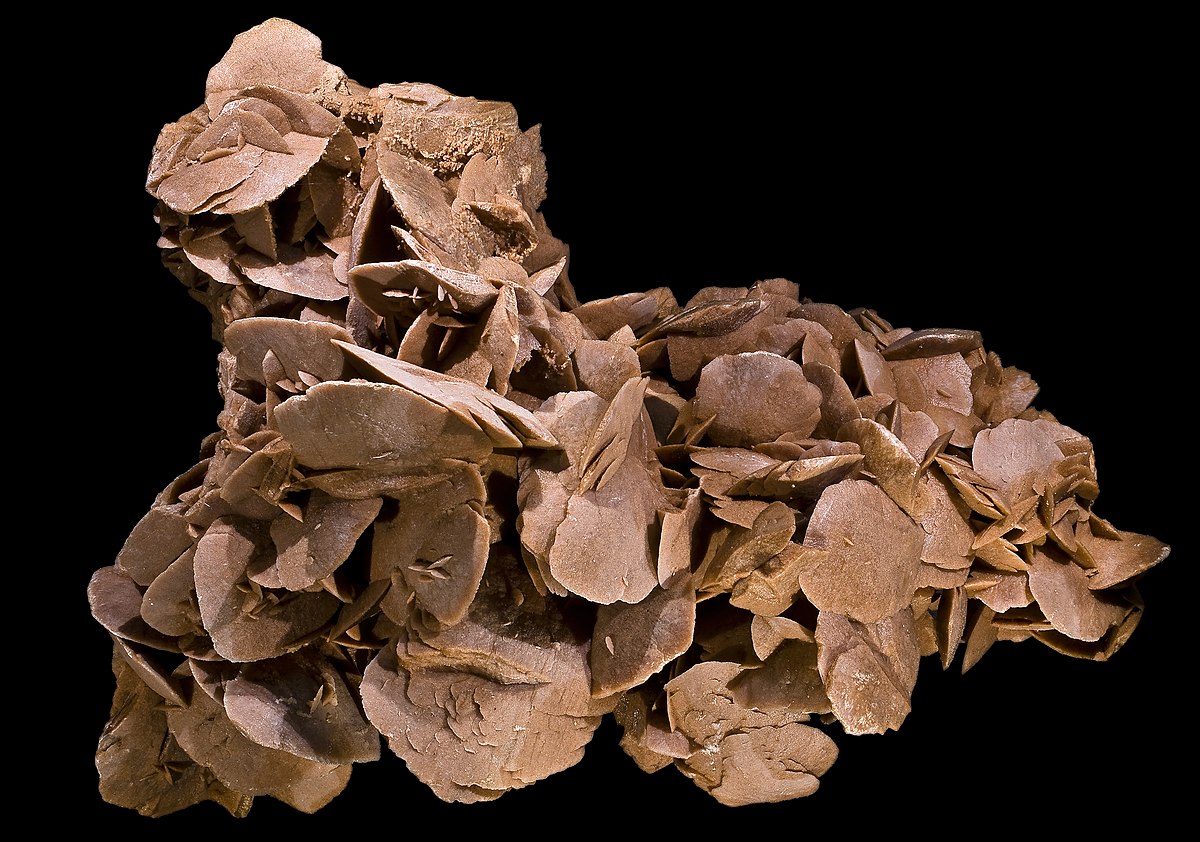
 Contributors to Wikimedia projects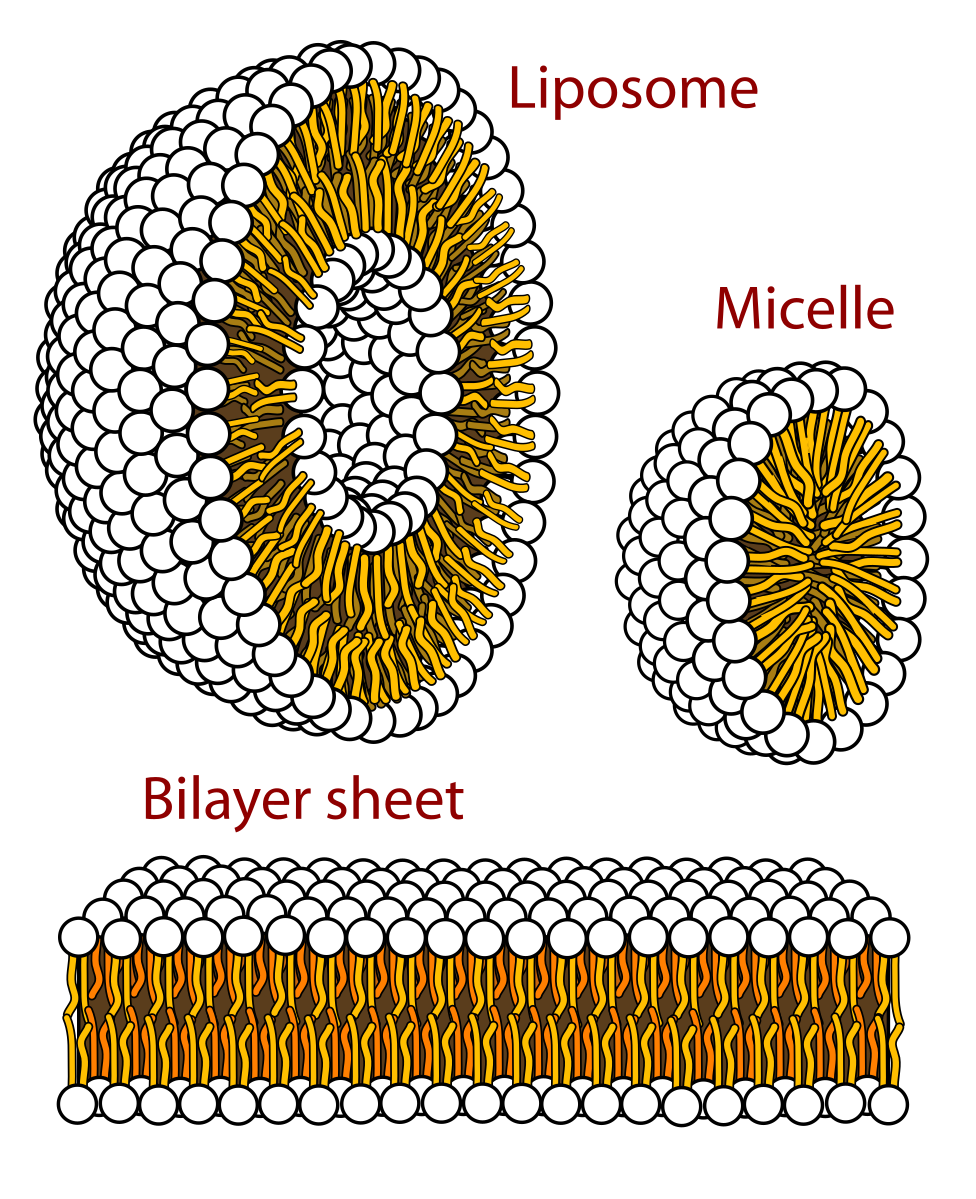
 Contributors to Wikimedia projects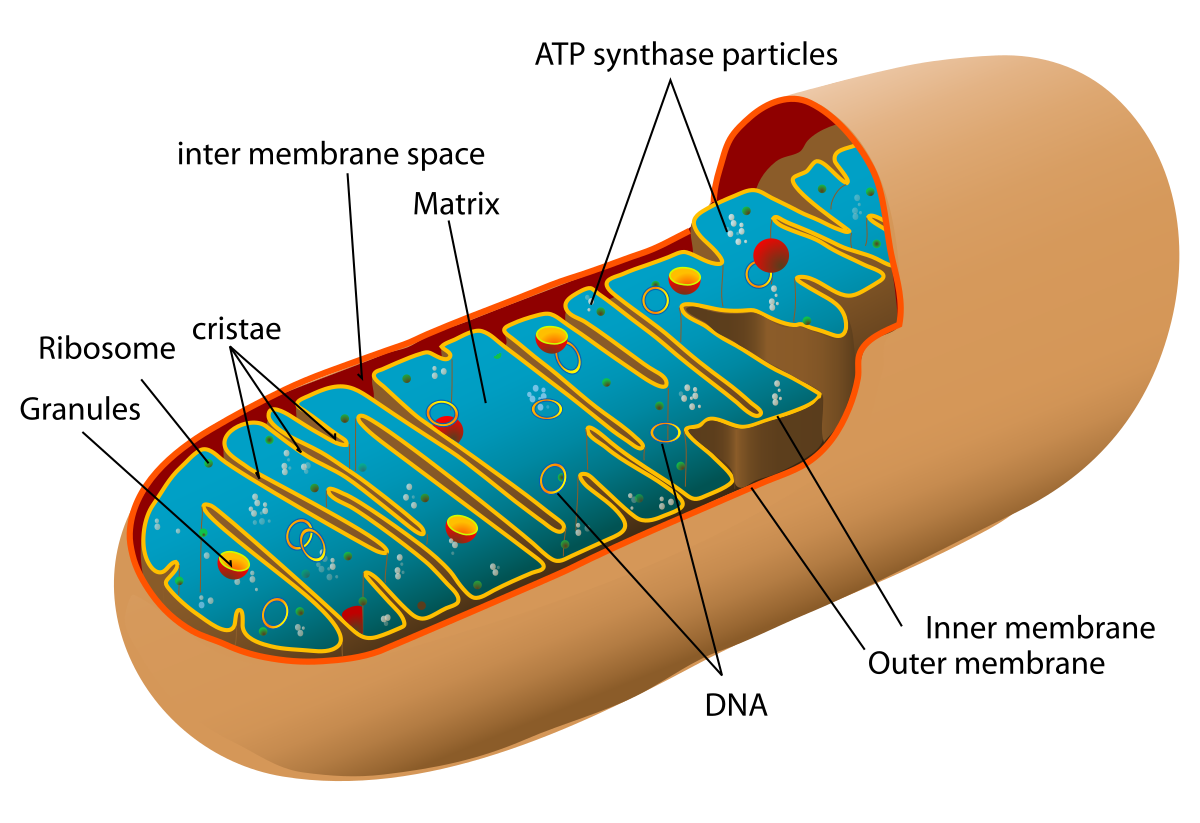
 Contributors to Wikimedia projects
https://www.washingtonpost.com/science/2025/08/27/origin-of-life-proteins/
Top Level Image Attribution:
Rafael Aldabe, Lester Suárez-Amarán, Carla Usai and Gloria González-Aseguinolaza., CC BY 4.0, via Wikimedia CommonsTheme Music
Theme music by
sirobosi frawstakwa